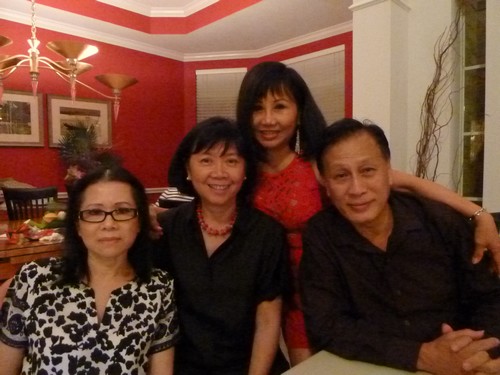
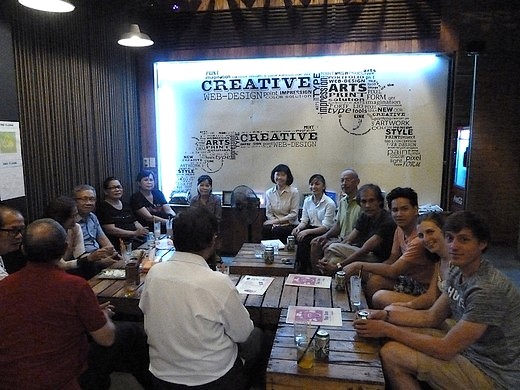
De gauche à droite : Truong Cong Minh BP66, Co Bach Thai Ha, Roger Renucci, Truong Huu Luong BP60, Ngo Bao Tin BP70, Minh Tam BP71, Vu thi Nhung, Diep The Doc BP70, Le Duc Tam BP70
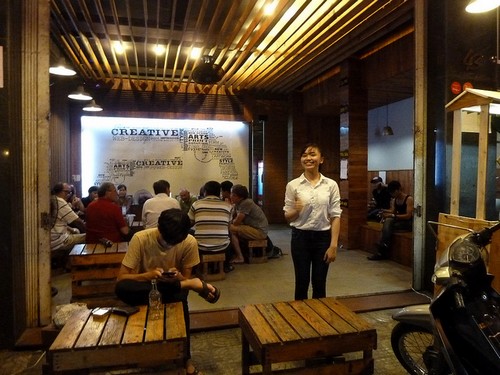
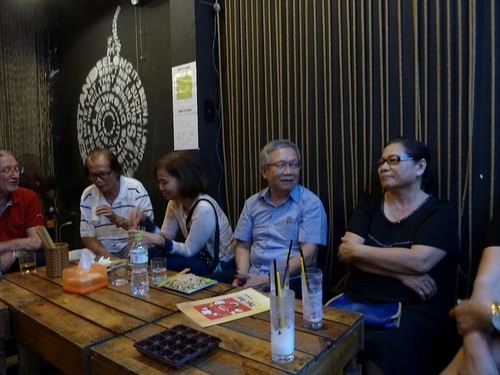
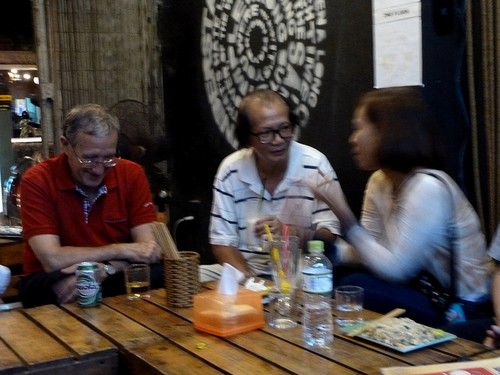
Réunion des pascaliens de Da Nang au Café Boon. Le Café est géré par Huỳnh thị Như Nguyệt et Trần thị Thêm, deux étudiantes de Dai Hoc Kinh Te. Ce projet est soutenu par Dong Hanh et financé par l’Amicale BPDN, dans le but de servir de la nourriture saine et bon marché aux étudiants. Les pascaliens présents : Vĩnh Khoa(BP68), Lê thị Nhân Hạnh(BP70), Lê Hiệp Tuyển(BP70), Định Vy Cư(BP70), Đinh thị Bích(BP71), Hồ thị Minh Tâm(BP71), Tống Văn Thụy(BP71), Trương Chí Luận(BP72), Vĩnh Khánh(BP76)
BOON – 43 Pasteur Da Nang ouvert tous les jours, de 17h30 a 22h30
Boon et la jeune entrepreneure
Vĩnh Khoa BP68 – Vĩnh Khánh NH76
Huỳnh thị Như Nguyệt et Trần thị Thêm, les deux responsables du Café
Tết Đinh Dậu à Da Nang, en compagnie des amis et de la famille.
Sont présents : Nguyễn thị Lương Nhụy(BP59), Trần thị Lệ Tuyết(BP69), Lê thị Nhân Hạnh(BP70), Định Vy Cư(BP70), Trần thị Như Mai(BP71), Đinh thị Bích(BP71), Hồ thị Minh Tâm(BP71), Tống văn Thụy(BP71), Trương Chí Luận (BP72), Ngô thị Hồng Huệ (NH77) .
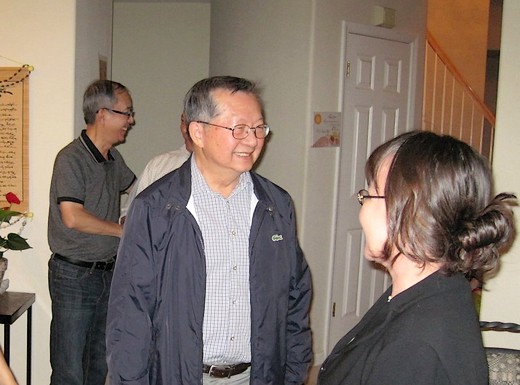
Accueil de leurs deux professeurs, Hứa Lạc Thành BP68 et Tống văn Thụy BP71, par les anciennes élèves du lycée Hồng Đức – DNG, avant leur Grande Reunion à San Jose, Septembre 2016 .
Un accueil digne des descendantes de Hai Bà Trưng!
Thầy Thụy và các em tay bắt mặt mừng, vui quá hỉ!
.
_-_ °°° _-_
Thầy Thành viếng học trò cũ trước Đại Hội Hồng Đức 2016 tại San Jose
Reunion chez Thierry et Nhu Mai Paturle, avec la participation de Huynh Do Thuy Mai, Phan Tan Hao, Claude Carrobourg, Nguyen thi Luong Nhuy, Claude et Huguette Poignard, Nguyen Bui Nhan et Ai Chi (Australie), MT, Roger et les amis.
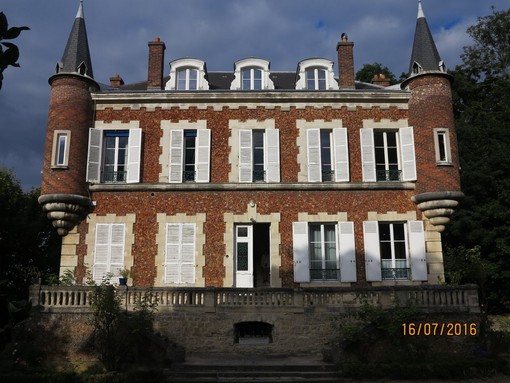
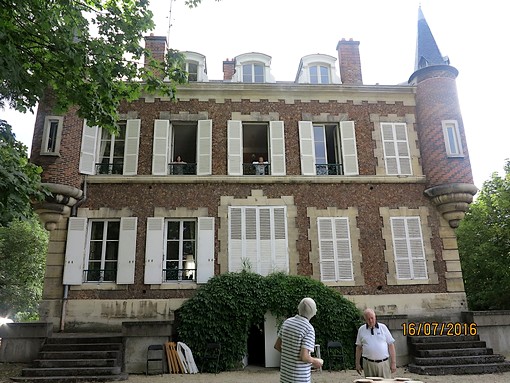
Les Tourelles par un apres-midi d’ete nuageux…
Du haut des Chambres Hautes, deux “ingenieuses des travaux finis” prodiguent des conseils pour dresser la table…
… que Thierry et Claude executent avec brio!
Les convives et les approvisionnements arrivent…
Où met-on le tiramisu?
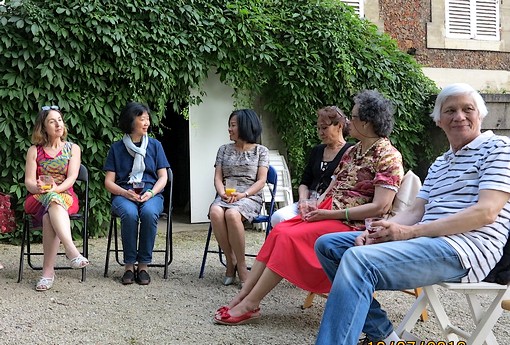
Causerie et cerises en attendant le repas
Les banh beo et les banh bot loc partent à la vitesse grand V!
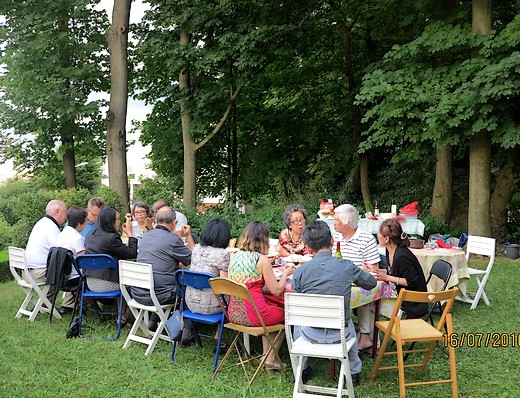
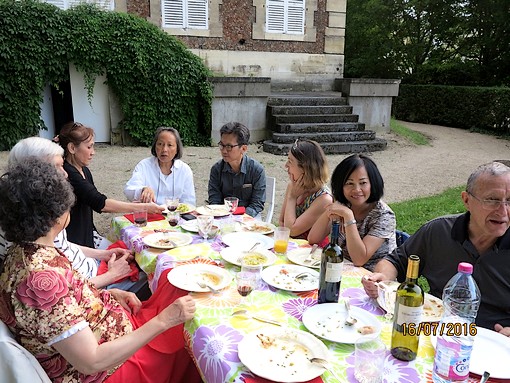
Le repas continue dans la convivialite avec une multitude de plats et de desserts…
… jusqu’à la tombée de la nuit.
Merci à Mai et Thierry Paturle pour ce moment partagé
Sortie BP pour tester un nouveau restaurant, nommé “Gạo”. Sont venus : Cô Bùi thị Lý, Mme Tuyết Trihoreau, Thierry Paturle (NH), Nguyen thi Luong Nhuy (BP60), Nguyen thi Nhu Lai (BP63), Le Thach Truc (BP63), Chung Cao Thang (BP62), Hien Maziere (BP64), Tran thi Nhu Mai (BP71), Minh Tam (BP71), Huynh Do Thuy Mai, Phan Than Hao (BP74), Nguyen Bui Nhan (BP74) et Ai Chi, Nguyen Huu Hong Vu (BP74) et Kim Cuc ainsi que quelques membres de leurs familles.
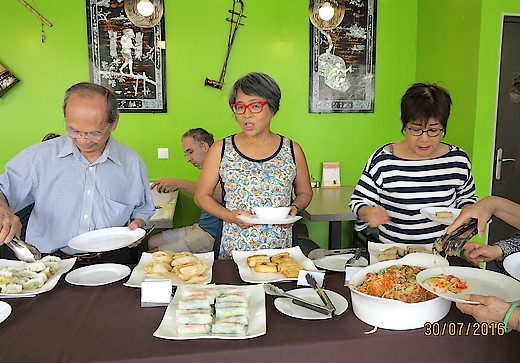
Les premiers arrivants (cad ceux qui ne se perdent pas en route… !)
Cô Lý fait l’objet de toutes les attentions …
Confession d’une ancienne élève…
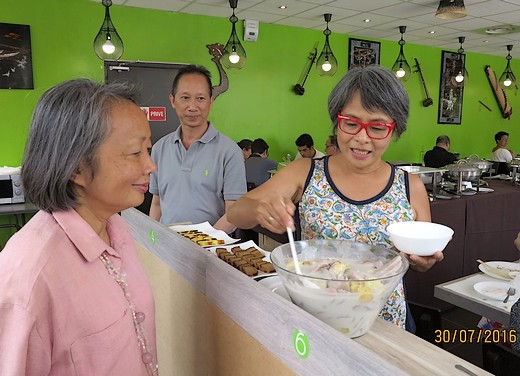
Cô ăn chi con lấy cho…
Anchi dayta ? (Hao pratique son japonais)
Ah, du chè chuối comme à la maison!
On a bien mangé, maintenant on va causer 🙂
Thạch Trúc et Như Lai du Collège Francais de Tourane
Hong Vu montre l’art de transformer un petit studio en un studio “grande classe”, confort deluxe
. Apres “Gạo”, on ira un jour tester “Bún” ou “Phở” ?
Ái Chi et chị Thạch Trúc sont prêtes pour une autre sortie culinaire …
. Le Mont Blanc est a 4 807 metres au dessus du niveau de la mer, sauf quand la mer monte. Ile de France est une grande ile au milieu de la Seine. •La Terre serait recouverte de glace s’il n’y avait pas les volcans pour la chauffer de l’interieur. •Autrefois, la Belgique s’appelait le Congo beige. II est triste de penser que le pôle Nord et le pole Sud ne se rencontreront jamais.
Histoire
•Quand on I’a brulée [ndlr : Jeanne d’Arc], les gens ont senti une odeur de saintete. • Les pauvres s’appelaient sans-culottes car ils n’avaient pas les moyens de s’acheter un slip. . Pour arreter les Allemands, les Francais avaient construit le mur de Berlin. • C’est Bob Dylan qui a remplace Kennedy a la presidence. • Quand it y a des problemes dans le monde, I’ONU envoie des casquettes bleues.
Musique
• II y a deux musiciens qui s’appellent Bach : Jean-Sebastien et Jean-Offen. • Quand on studie la musique chez soi, on fait de la musique au logis. • Comme son nom I’indique, le blues a ete inventes par les noirs. • Le principe de la musique est de faire des notes avec des bruits de sons. • La music-hallologie, cest la science qui etudie le music-hall.
Culture
• Parini les Sept Merveilles du monde figurent les jardins suspendus des Batignolles. • Le chef de file du surrealisme est Salvador Dalida. • Picasso a representes les Demoiselles Avignon sous forme de cubes. C’est sa pesriode cubaine. • L’eleve preferes de Rodin etait Isabelle Adjani. • Les plus grands auteurs de I’epoque classique sont Corneille, Racine et Molaire. • Les plus celebres comedies de Molare sont “Le medecin maigres Louis” et les “Fous Rires de Scapin” • La meilleure piece de Moliere est “L’Ami Zantrope”. • L’auteur des “Fourbis” est Escarpin.
Politique
• Les centristes sont surtout representes par Francois Beyrouth. • Bertrand Delanoe est le president de la Republique de Paris. • Les hommes politiques financent leurs campagnes avec des depots de vin. • Beaucoup d’hommes politiques ont fait I’ENA, I’Ecole nationale de I’admiration.
• En France, it est interdit d’arreter quelqu’un en son absence. • Quand la chasse est fermee, it est strictement interdit de I’ouvrir. • Dans notre society, le premier motif de I’alcoolisme est la boisson. • Dans les villes, le probleme de la securite est surtout un probleme d’insecurite.
16 Le Trait d’Union – novembre 2007
Philo
• Socrate a ete contraint de se suicider lui-meme. • A la lecture de Freud, chacun peut reconnaitre Sally Bido. • Les principaux philosophes d’aujourd’hui sont BHV et Justine Levy. • Le fonctionnement de la memoire est illustre par episode de la madeleine de Sartre.
Mathematiques
• Une racine carre, en fait, nest pas vraiment une racine et nest pas de forme carre. • On mesure les longueurs avec trois unites : le mette, le centimette, et le millimette. • Un cercle est une figure en forme de rond-point. • Une representation en trois dimensions, c’est quand on a la Iongueur, la largeur et la grandeur.
Biologie
• L’acte d’avaler s’appelle I’engloutition. • Les deux intestins sont le gros colomb et I’instestin grec. • Le regime alimentaire se compose des glucides, des protides et des livides. • On dit que la langue est un organe degustatif. • La faucille et le marteau sont des organes internes de I’oreille.
Physique
• Un ion a charge negative est un onion. • Un corps plonge dans I’eau est soumis a la poussee de Chimene. • La physique a ete decouverte par hasard dans I’antiquite par Larry Stote. • La Ioi de la pesanteur montre que c’est toujours le plus gros qui gagne toujours.
Chimie
• II y a deux sortes de gaz : le gaz nature) et le gaz surnaturel. • Quand le chiore est entierement dissous dans I’eau, on dit qu’il y a dix solutions. • Le mercure est un liquide qui a la particularite d’etre solide. • Pour congeler un corps, it faut le faire bouillir en remplacant la chaleur par du froid.
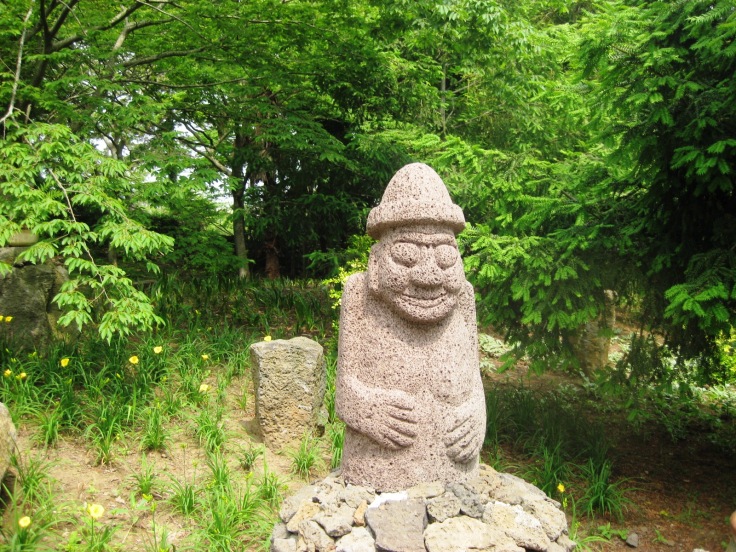
Dol hareubang,Teju Island, South Korea (author’s picture).
In Teju Island, South Korea there are phallic or mushroom shaped ancestor stone statues called dol hareubang. The hats of these statues are commonly referred to as phallic or mushroom-like. Nowadays, these dol hareubangs are the symbols of Teju Island.
Dol hareubang, Teju Island, South Korea (author’s picture).
Author and dol hareubangs, Teju Island.
The name dol hareubang derives from the Korean word for “stone” (dol 돌) plus the Jeju dialect word hareubang(하르방) meaning “grandfather” or “senior” (harabeoji [할아버지] in Standard Korean) and was coined in the mid-20th century…
At present time, they are considered to be gods offering both protection and fertility and were placed outside of gates for protection against demons travelling between realities.
There are three main theories as to the origin of dol hareubangs ; either that they were introduced by visitors from the sea, that they are a counterpart to the jangseungs (totem poles) of mainland Korea, or that they spread with shamanic mushroom culture.
Halla San (in Teju) has been named in Korean literature as one of the “Sam Shin San” (삼신산/ 三神山), or one of the Three Spirit Mountains. Each of these mountains are considered gateways to the spirit world, and have the Amanita muscaria (mushroom) growing in abundance. This mushroom is well known by the Siberians and is a possible origin for the Stone Grandfather.
The mushroom and its related imagery has had great importance in Korea, visible in ancient crowns, funeral urns, the Ship Jang Saeng Do (십장생도). The Dol Harubangs are a form of political propaganda, representations of the sacred powers of the mushroom, its associated deity, and attesting to the power of the Shamans (Wikipedia).
However, to me, the mushroom shape of these statues is not a symbol of the shamanic mushroom cult but is related to the cosmogeny religion which worshipped the Universe including the Sun.
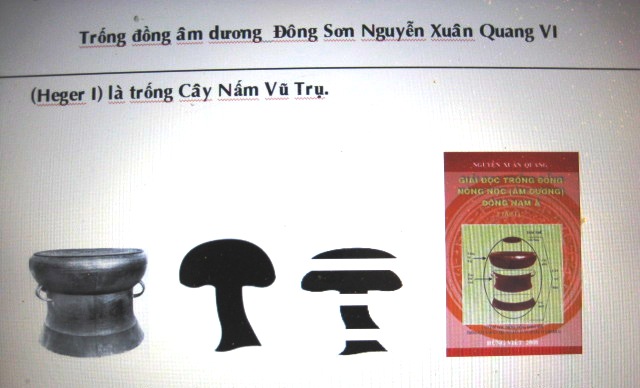
As we know that in cosmogeny, the universe was created on the basis of the interaction of female element (nòng, yin) and male element (nọc, yang). It is composed of Three World (Upper, Middle and Lower or Under World) represented by a tree called Cosmic Tree (Three World Tree, Three of Life). The mushroom has the most appropriated shape of this Cosmic Tree. The dome of the mushroom portrays the Upper World. The lower part beneath the dome is the Middle World. The root is the Under World and the trunk (stem) is the World Axis. The Cosmịc Tree of the Thái people in Nghệ An Việt Nam is a mushroom. The main Nguyễn Xuân Quang type VI or Heger type I drum of Đông Sơn (Dongson) bronze drums has a mushroom shape. This mushroom shape drum such as Ngọc Lũ I drum is the symbol of Cosmogeny religion (Giải Đọc Trống Đồng Nòng Nọc, Âm Dương Đông Nam Á, Decipherment of the Southeast Asian Bronze Drums, in Vietnamese).
The Nguyễn Xuân Quang type VI or Heger type I drum of Đông Sơn (Dongson) bronze drums has a mushroom shape.
The dome of the mushroom portrays the Upper World. The lower part beneath the dome is the Middle World. The root is the Under World and the trunk (stem) is the World Axis.
The dome of the mushroom portrays the Upper World. The lower part beneath the dome is the Middle World. The root is the Under World and the trunk (stem) is the World Axis.
Noted that the Halla mountain which has been named in Korean literature as one of the “Sam Shin San” is related to Vietnamese Ba Vì (Trinity) Mountain. The Ba Vì Mountain also called TamTừng Mountain (ThreeTiered Mountain) portraying Three World Mountain or TảnViên Mountain (Parasol-Shaped Mountain) portraying Cosmic Mushroom.
So, evidently, I doubt that the Amanita muscaria mushrooms play any important role with the mushroom-shaped dol hareubangs.
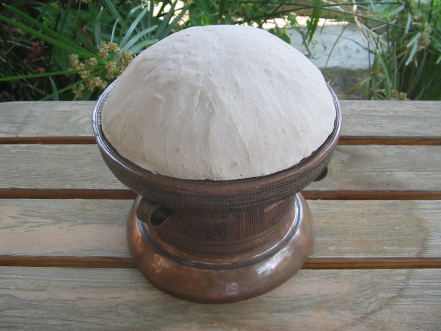
Later, in the patriarch society, the sun worship became dominant, then the mushroom, seen on the yang side, represented the phallic. The mushroom shaped Dong son bronze drums seen on the yang side have the phallic form.
Nguyễn Xuân Quang VI or Heger I seen on the yang side has the phallic form.
A bronze drum has phallic/mushroom shaped form (Bảo Tàng Lịch Sử Thừa Thiên).
So, the mushroom cult seen in Korean culture is related to the cosmogeny religion, sun religion in general and particularly to the Vietnamese Đông Sơn drums, (symbols of the Vietnamese culture based on the cosmogeny and sun religions). This explains why the Korean funerary urns and ancient crowns have the shape of mushroom. The ashes of the dead were buried in the cosmic mushroom funerary urns for the dead can be reborn or to go to eternity. The Korean kings are the Sun kings, Son of the Sun god.
Therefore the dol hareubangs, considered to be related to the mushroom culture, are simply related to cosmogeny and sun religions and thus related to the Vietnamese Tiên Rồng (Bird-Snake, yang-yin) culture.
Obviously, the theory that “the origin of dol hareubangs introduced by visitors from the sea” is the most convincing. This also explains the difference between the Teju Island and the Korean peninsular culture.
Now, let find out where the dol hareubangs came from ?
Through my article The Relation between the Ancient Korean History and Vietnamese Ancient History (in Vietnamese) we know that the ancient Korean people had a root closely related to the Vietnamese Lạc Việt (Luo Yue).
The Kings of the Southern states of the Korean peninsular had the same legendary creator as the Vietnamese Hùng Kings. They were born from a cosmic egg or mundane egg. Sun worship is also very particular in Korean culture.
My literature works also demonstrate that the Vietnamese supreme Hùng Ancestor is the sun god Viêm Đế (Yen-Ti) and Hùng Vương, the historic Sun kings are the descents of Viêm Đế. One of the meanings of the term Hùng is male, penis, sun, dương (Sino-Vietnamese term dương means yang, male, sun).
Etymologically, Viêm Đế has the word Viêm meaning Hot and Đế meaning Pillar, Axis, Stake. Viêm Đế means Hot Pillar, Sun, Penis. The Hindu Shiva god symbolized by lingam (penis) has the same meaning “Pillar of Fire”. Shiva is related to sun god Viêm Đế.
Evidently, Hùng with the penis or phallic meaning must be seen under the view of the creation of the male or sun branch (not with a “porno” view).
It’s no doubt that the phallic or mushroom shaped dol hareubangs have the same DNA with the Vietnamese Hùng Ancestor.
How the dol hareubangs came to the Teju Island ?
In order to answer this question, we must find the foot prints of the dol hareubang from people related to the Bách Việt (Bai Yue). Two races we must look into are the Pacific Islanders and the Amerindians who originally were from South East Asia. All of them were related to ancient Việt people (Bai Yue).
a. Pacific Islanders
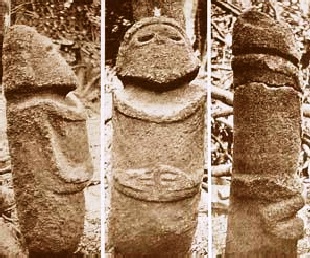
In Polynesia, phallic stone statues similar to dol hareubang were found in
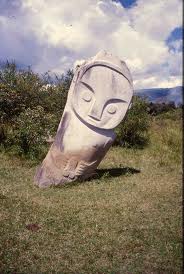
. Bada Valley, Sulawesi Island, Indonesia.
Bada Valley or Napu Valley, located in the Lore Lindu National Park in Central Sulawesi contains hundreds of megaliths. Some locals believe they were used in ancestral worship. Some of the sources indicate that these statues show remarkable similarity to the stone statues of the Easter Island or with the stone figures found on Cheju (Teju) island in Korea (unspecial.org).
Maturu (‘Sleeping’).
Palindo (‘The Entertainer’) (deanmayerson.org).
Note that Palindo is in an erect male genital position.
.Raivavae Island.
Raivavae is an island that is part of the Austral Islands in French Polynesia. There are monumental phallic ancestor stone statues that have been discovered.
Phallic stone statue in Raivavae Island (humanpast.net).
Further, close to the South America coast is the Easter Island (Rapa Nui).
Rapa Nui was populated by people of Polynesian origins.
The island was most likely populated by Polynesians who navigated in canoes or catamarans from the Gambier Islands (Mangareva, 2,600 km (1,600 mi) away) or the Marquesas Islands, 3,200 km (2,000 mi) away. When James Cook visited the island, one of his crew members, a Polynesian from Bora Bora, was able to communicate with the Rapa Nui. The language most similar to Rapa Nui is Mangarevan with an 80% similarity in vocabulary (Wikipedia).
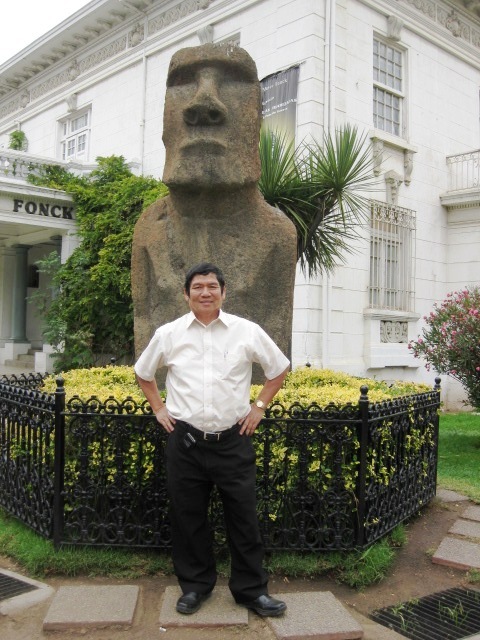
The most well known symbols of the Easter Island are the monolithic statues called moais
A moai from Easter Island placed in front of Museo Fonck, Valparaiso, Chile.
The islanders held the belief that the entire moai was a phallic symbol (bibliotecapleyades.net).
They are considered to be gods offering both protection and fertility.
However, many recent researches revealed that the moais are related to the sun worship, to the astrology and to the cosmology.
b. Amerindians
In the Recuay culture (a pre-Inca culture) in Peru, the ancestor stone statues are similar to the dol hareubangs.
Author and Recuay ancestor stone statue placed in front of Museum of Larco, Lima, Peru.
Recuay culture is a pre-Incan sun worship and ancestor worship similar to the Vietnamese and Korean cultures.
To verify by mean of the linguistics, in the Andean Indian language (including Quechua of the Inca, sun worshippers) the terms “ancestor”, “lineage ” and “penis” are relatives (Salomon 1991:20 ; Zuidema 1977:256). This is the same in the Vietnamese language. Based on the rules of historic sound change in the Vietnamese language, Vietnamese term giống (sex, lineage, race) relates to chống (supporting stick) and chông (pointed stakes used as booby trap, punji sticks). Stick, stake, punji stick are the symbols of penis.
As mentioned above, the Vietnamese supreme Hùng Ancestor is the sun god Viêm Đế (Yen-Ti) and Hùng Vương, the historic Sun kings are the descents of Viêm Đế. One of the meanings of the term Hùng is male, penis, sun, yang.
The similarity of these terms in the two languages shows that the ancient Peru and Inca people must be related to ancient Vietnamese people. Language also points out that the term ancestor, lineage, penis, male, sun are related. Therefore, the phallic statues in the Polynesia, in ancient Peru, in Teju Island are the symbols of the sun lineage, related to the Vietnamese people, decent of the sun god Viêm Đế. The Đông Sơn bronze drums are the icons of the sun worshipping Vietnamese race (Bai Yue), The People of the Sun.
In short, the phallic stone statues had the origin from South East Asia, territories of ancient Việt and spread out in two different ways. One way was to the North via Bering straight then down to America. Another way was down to the Pacific sea (Austronesia, Polynesia) and then to America.
If seen as phallic shaped statues, the Teju Island’s dol hareubangs are related to the Vietnamese Hùng Ancestor sun god Viêm Đế in the sun religion. The sun at the center of the tympanum of the Đông Sơn bronze drums proves this Vietnamese sun worshipping religion.
If seen as mushroom shaped statues, the dol hareubangs are related to the Vietnamese cosmogeny religion based on Tiên Rồng, Bird-Snake, yang-yin principle. The mushroom-shaped Đông Sơn bronze drums are the icons of the Vietnamese cosmogeny religion.
The dol hareubangs came to Teju Island either via South East Asian coast line or from the islands of the South Sea or perhaps from the group of small islands around Taiwan island.
We can conclude that these phallic/mushroom shaped ancestors statues found in South East Asia, Austronesia, Polynesia, Pacific Islands and in the American continent are related to the Cosmos/Sun worship religions and to ancient Việt people.
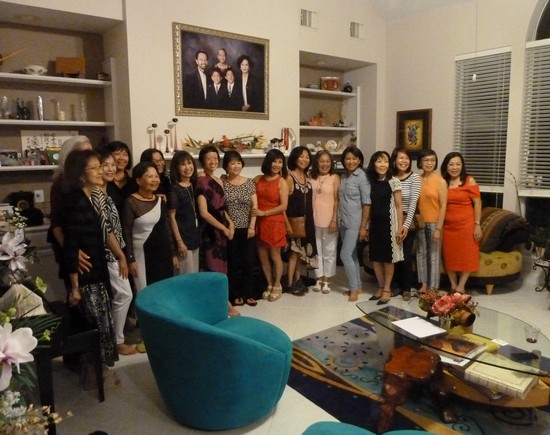
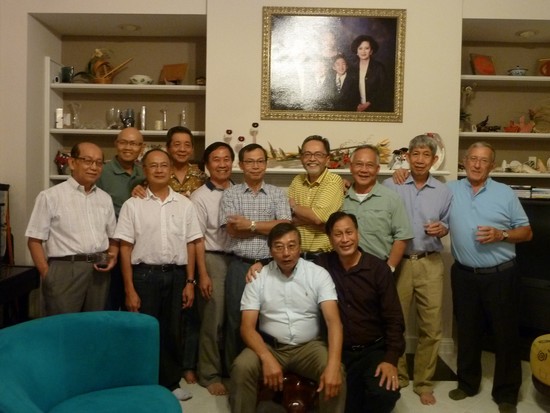
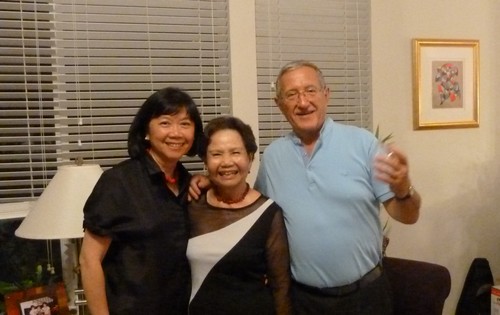
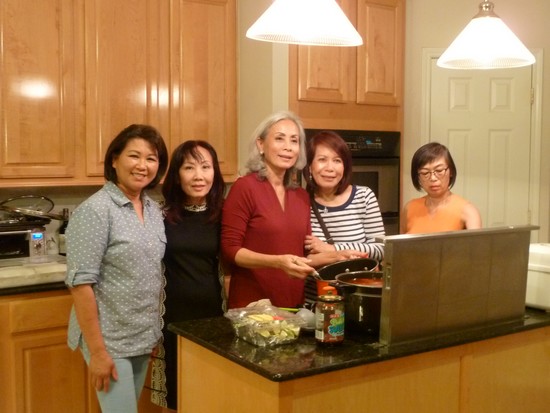
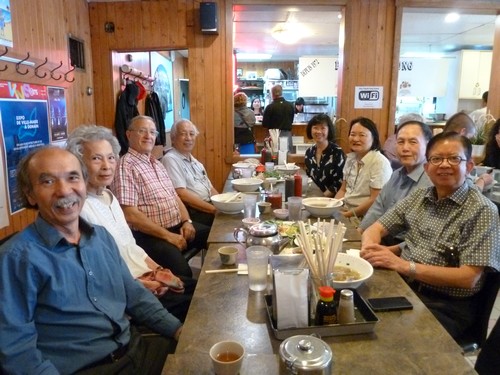
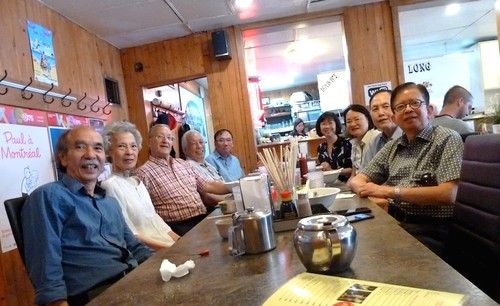 De gauche à droite : Truong Cong Minh BP66, Co Bach Thai Ha, Roger Renucci, Truong Huu Luong BP60, Ngo Bao Tin BP70, Minh Tam BP71, Vu thi Nhung, Diep The Doc BP70, Le Duc Tam BP70
 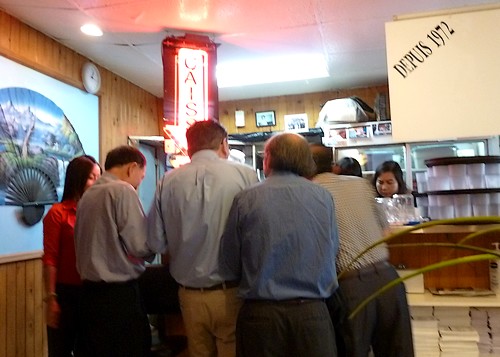 Tranh nhau trả tiền, tội chưa!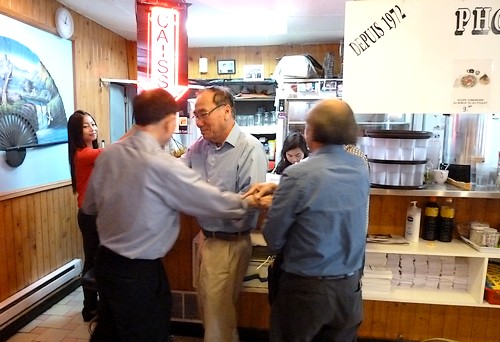
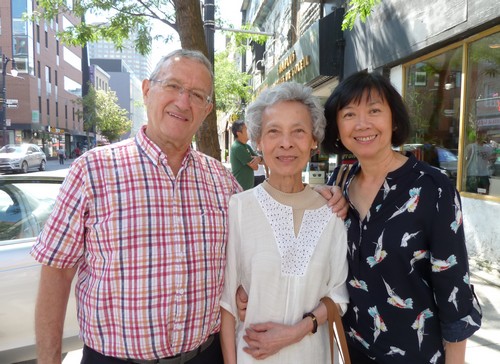 Mừng gặp lại Cô!
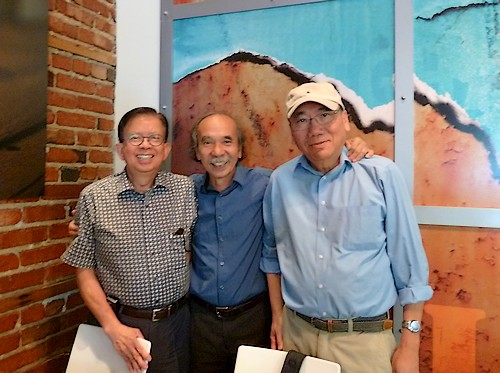 Les 3 mousquetaires BP de Montreal
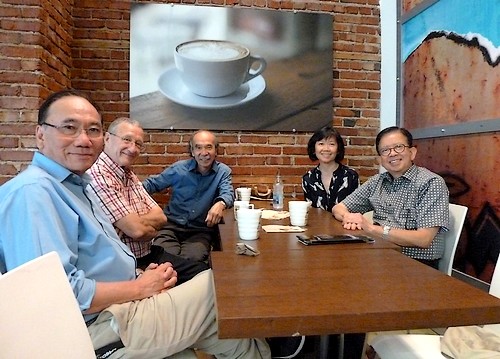 Merci et a bientot!
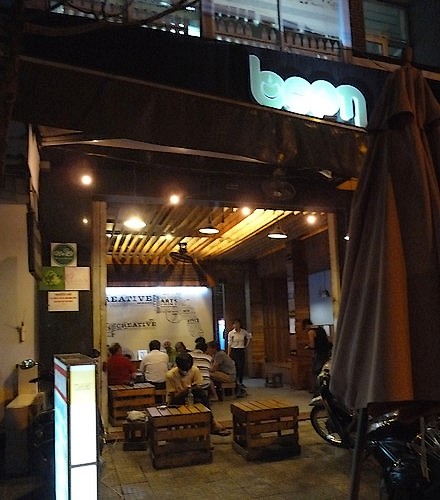 BOON – 43 Pasteur Da Nang
 Boon et la jeune entrepreneure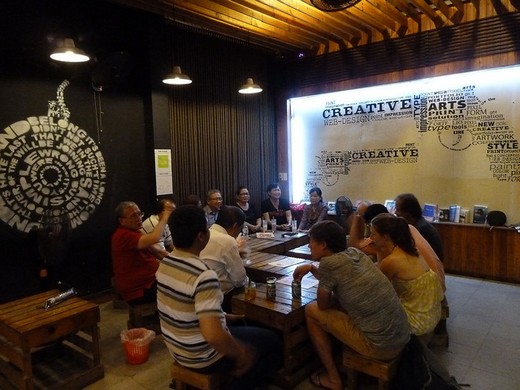
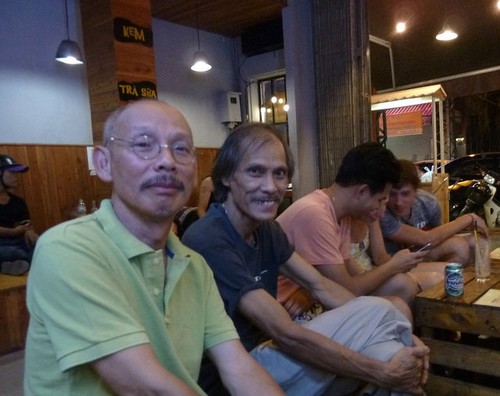 Vĩnh Khoa BP68 – Vĩnh Khánh NH76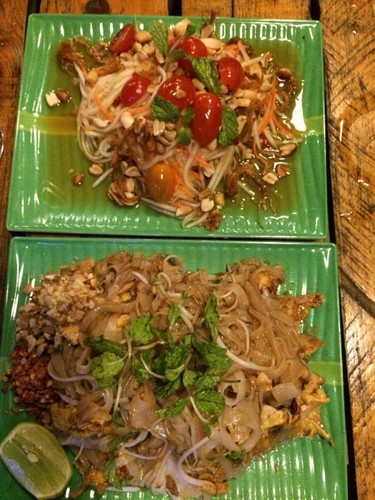
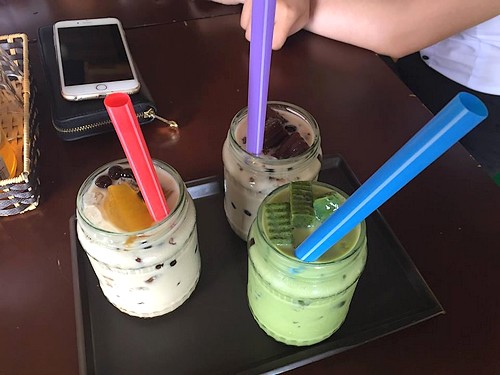
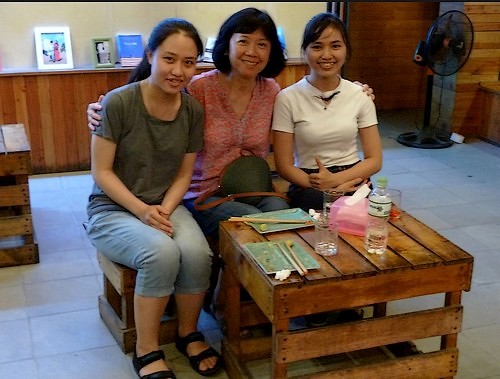 Huỳnh thị Như Nguyệt et Trần thị Thêm, les deux responsables du Café
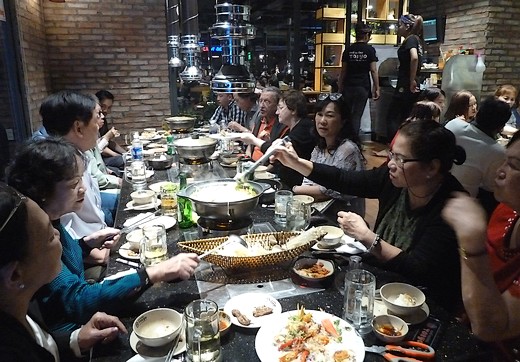
 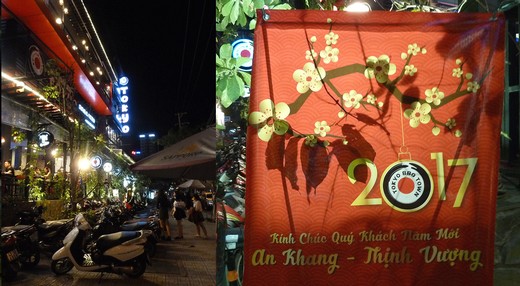 Tokyo BBQ – Mồng 2 Tết Đinh Dậu (29 Jan 2017)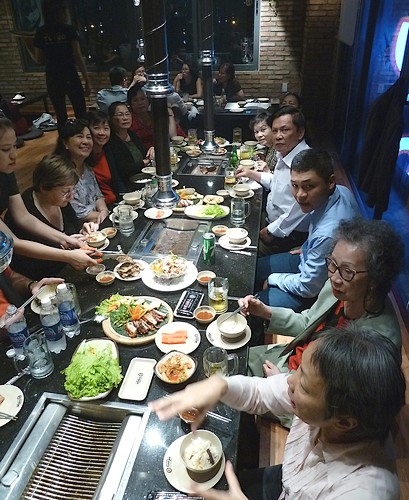
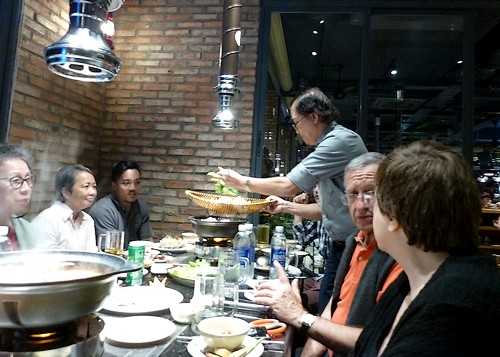 Tống văn Thụy (BP71) en plein travail…
 Lê thị Nhân Hạnh (BP70) aussi…
 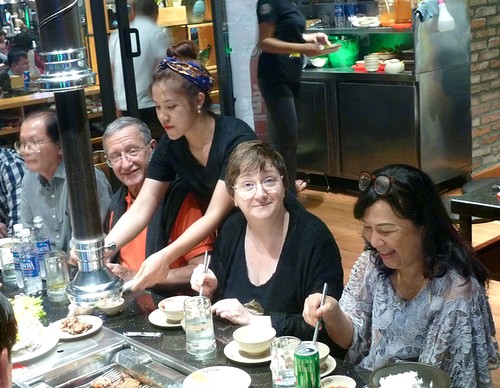 … et ceux qui se laissent servir
 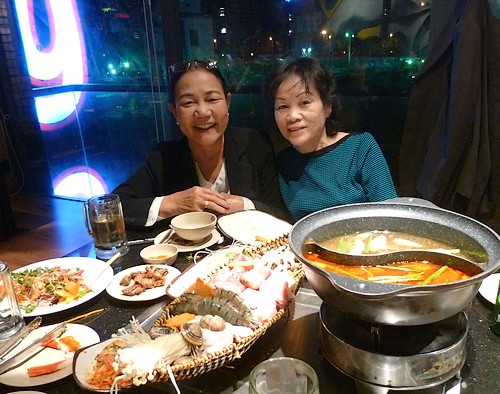 Trần thị Lệ Tuyết (BP69) – Định Vy Cư (BP70)
 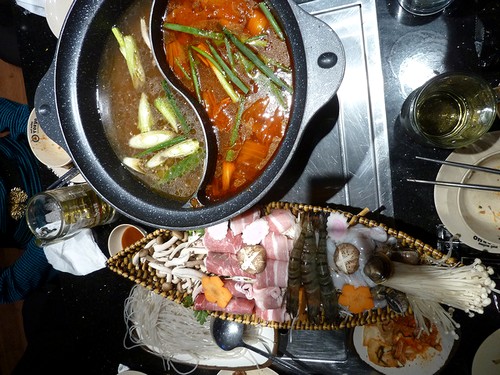 Fondue aux deux saveurs
 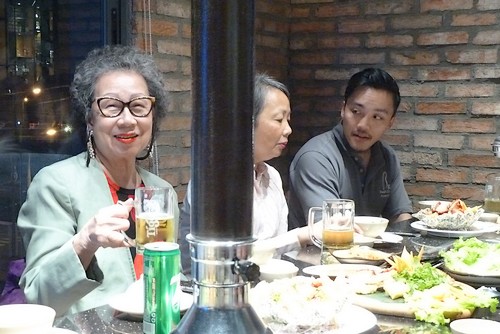 Nguyễn thị Lương Nhụy (BP59)
 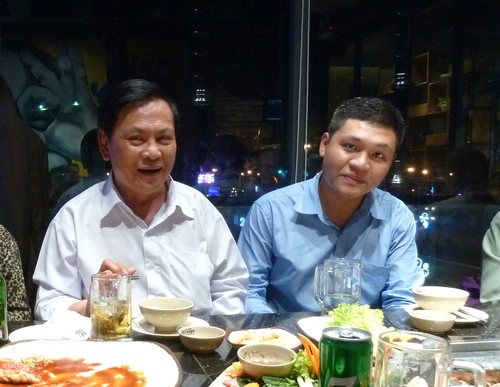 Trương Chí Luận (BP72) et son fils Bảo
 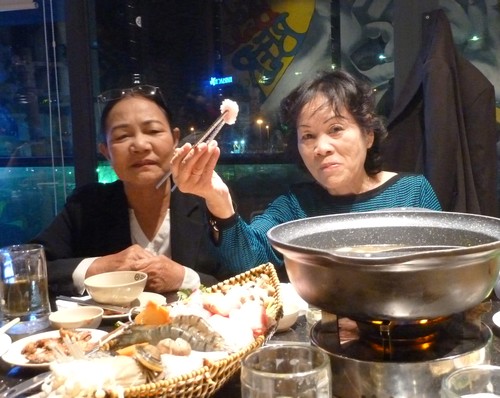 Bon appetit!
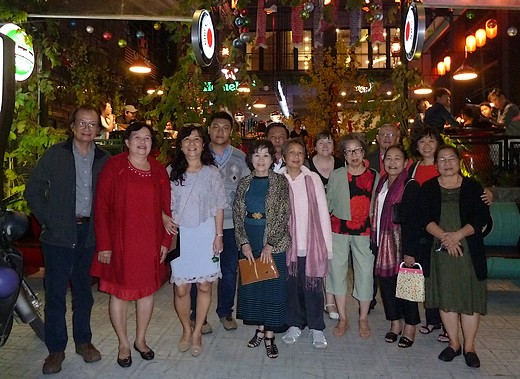 Mến chúc các Bạn một năm Đinh Dậu Mọi Sự Như Ý
 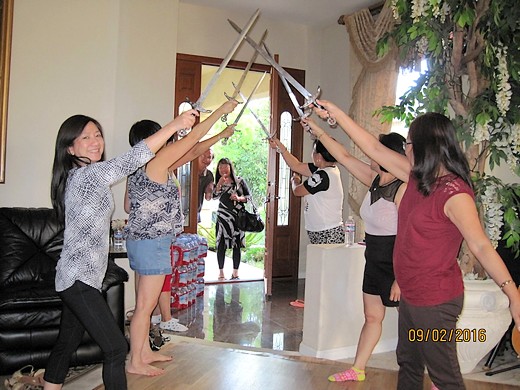 Un accueil digne des descendantes de Hai Bà Trưng!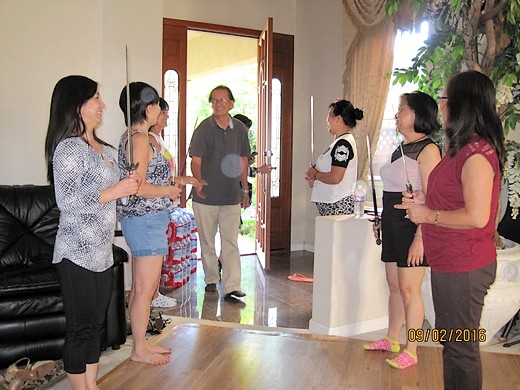
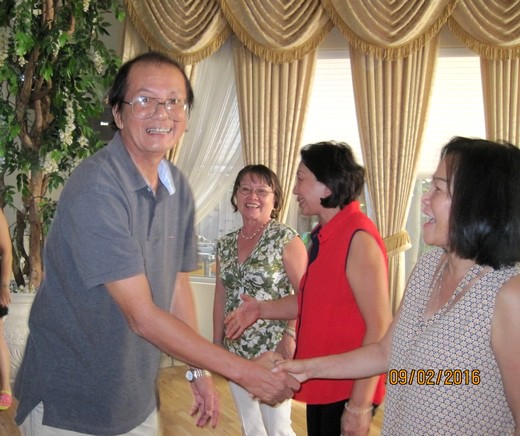 Thầy Thụy và các em tay bắt mặt mừng, vui quá hỉ!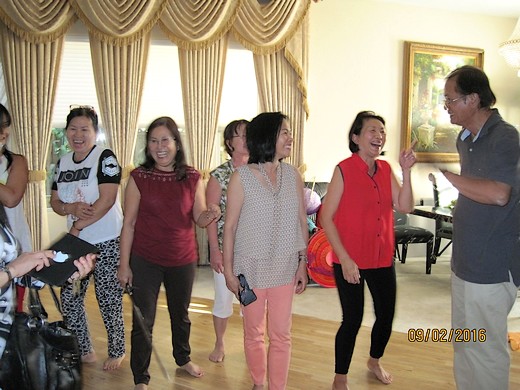
 .
. Thầy Thành viếng học trò cũ trước Đại Hội Hồng Đức 2016 tại San Jose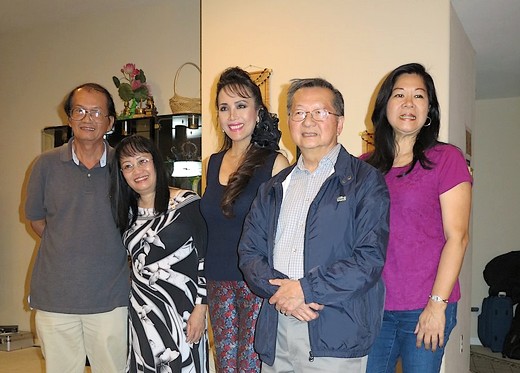
 Les Tourelles par un apres-midi d’ete nuageux…
 Du haut des Chambres Hautes, deux “ingenieuses des travaux finis” prodiguent des conseils pour dresser la table…
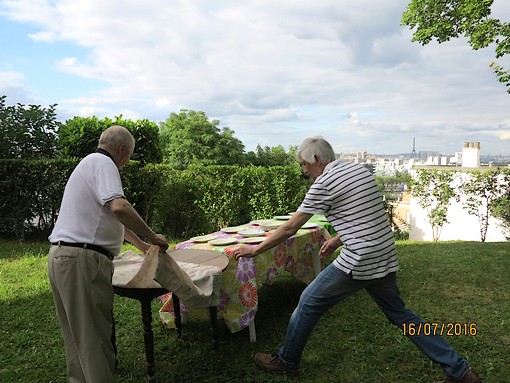 … que Thierry et Claude executent avec brio!
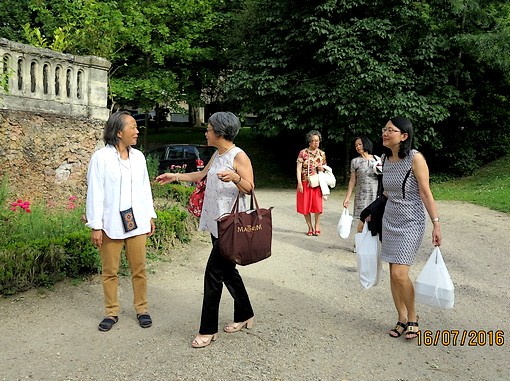 Les convives et les approvisionnements arrivent…
 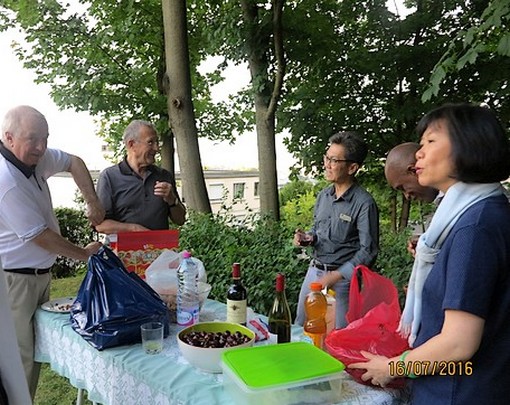 Où met-on le tiramisu?
 Causerie et cerises en attendant le repas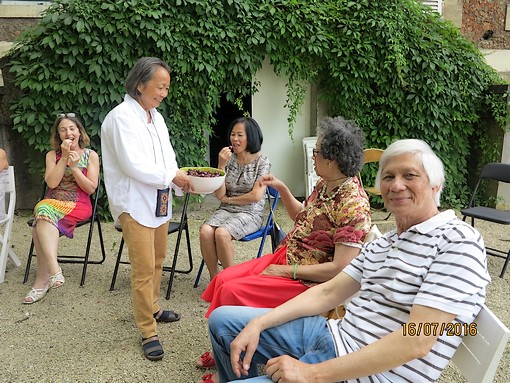
 Les banh beo et les banh bot loc partent à la vitesse grand V!
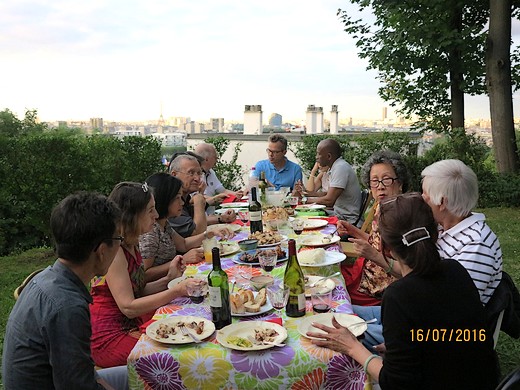 Le repas continue dans la convivialite avec une multitude de plats et de desserts…
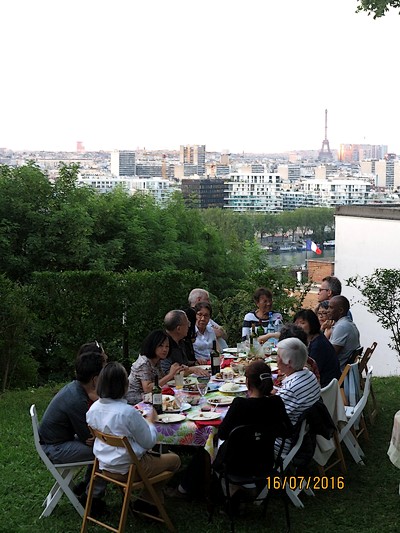 … jusqu’à la tombée de la nuit.
 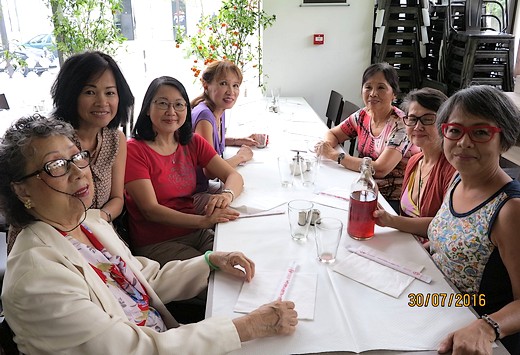 Les premiers arrivants (cad ceux qui ne se perdent pas en route… !)
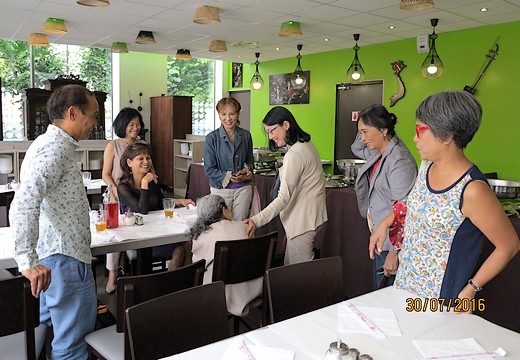 Cô Lý fait l’objet de toutes les attentions …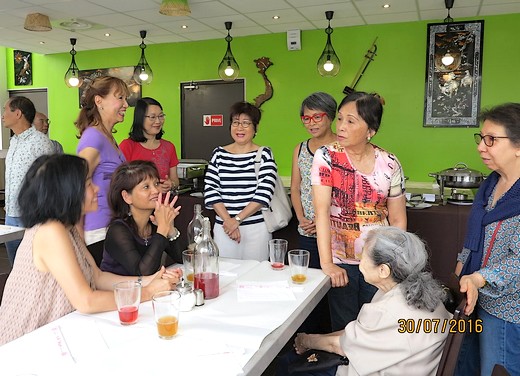
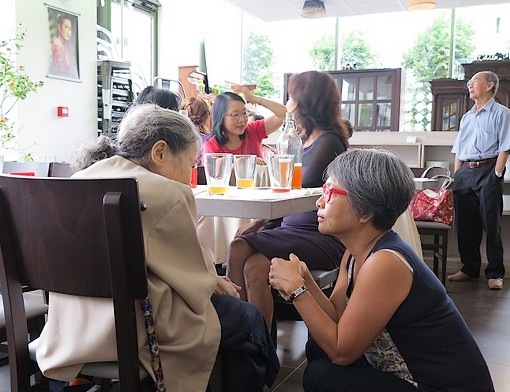 Confession d’une ancienne élève…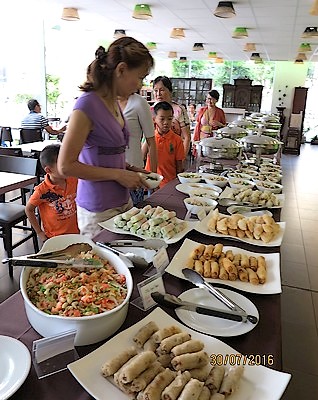
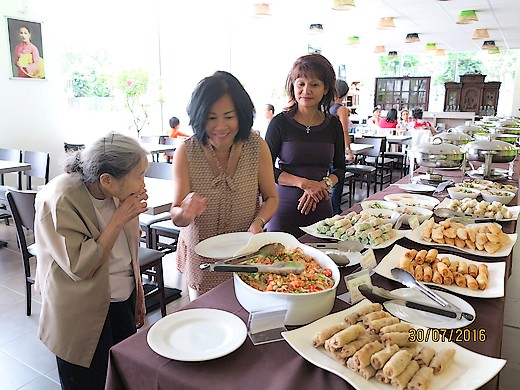 Cô ăn chi con lấy cho…
 Anchi dayta ?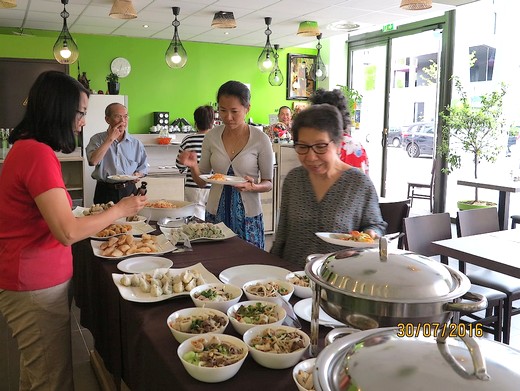
 Ah, du chè chuối comme à la maison!
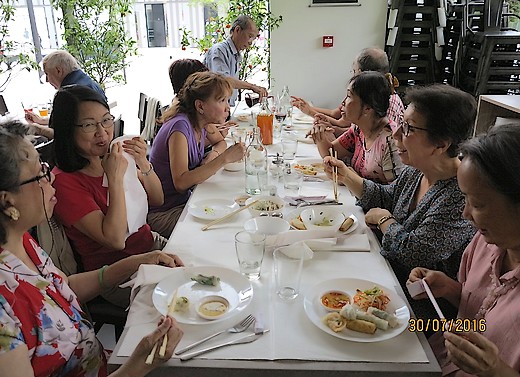 On a bien mangé, maintenant on va causer 🙂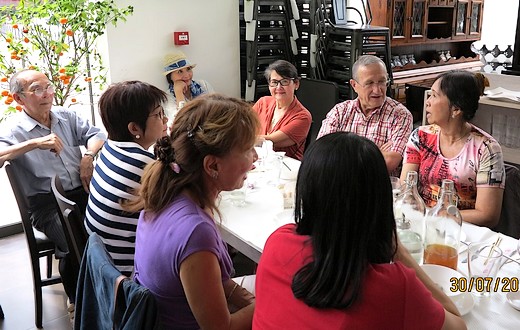
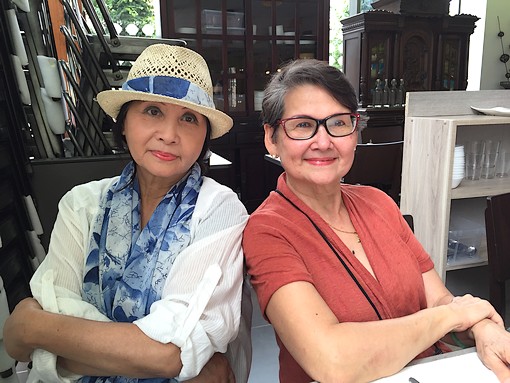 Thạch Trúc et Như Lai du Collège Francais de Tourane
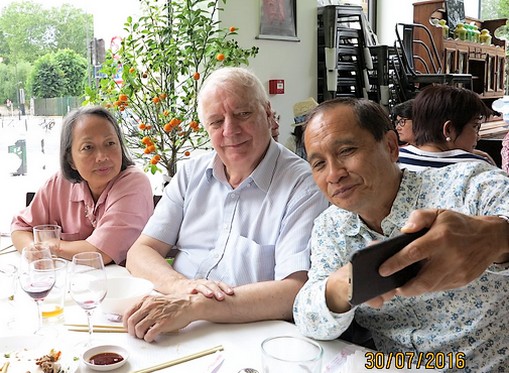 Hong Vu montre l’art de transformer un petit studio en un studio “grande classe”, confort deluxe
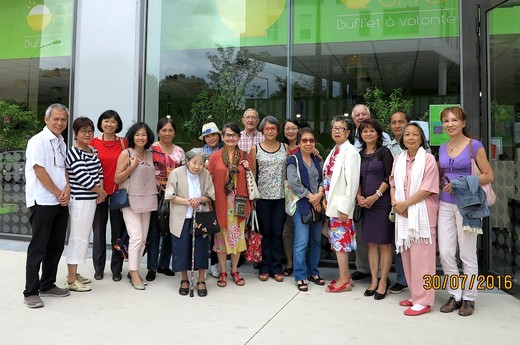 Apres “Gạo”, on ira un jour tester “Bún” ou “Phở” ?
 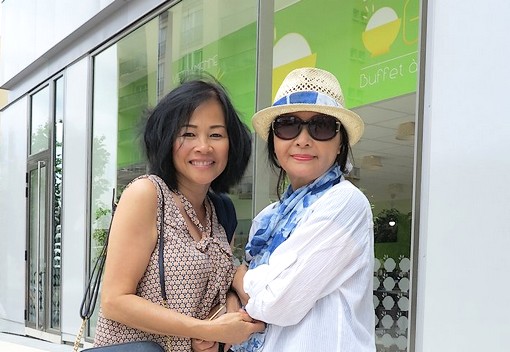 Ái Chi et chị Thạch Trúc sont prêtes pour une autre sortie culinaire …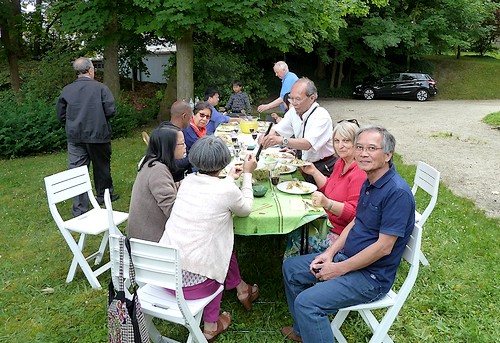
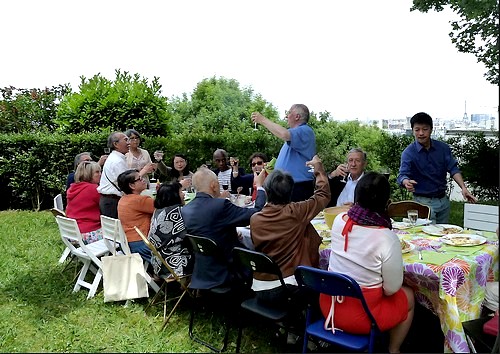 A l’amitié!
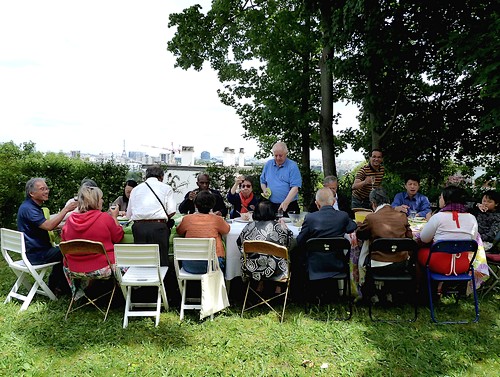 … et à notre santé
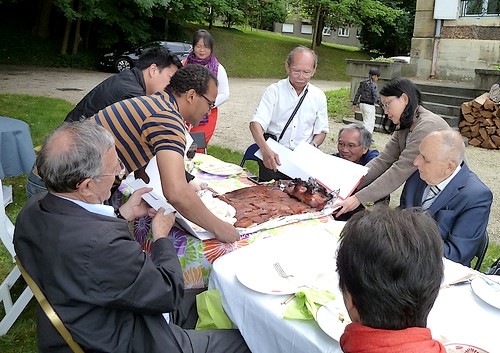 L’installation du plat principal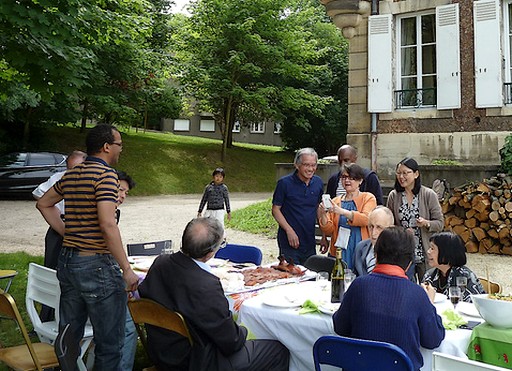
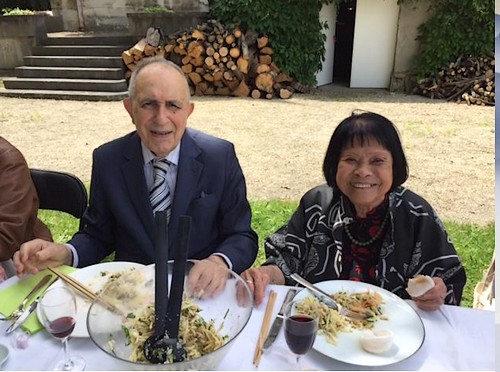 M.Mme René SAZERAT
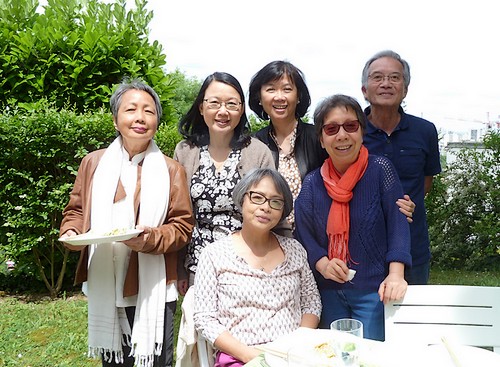 Như Mai, Thúy Mai, Minh Tâm, Claude, Vĩnh Nhẫn, Tấn Hảo
  Như Lai, Cao Thắng
  Claude, Thierry
 Merci à Nhu Mai et Thierry pour leur chaleureuse hospitalité!